Get in Touch
0094 78-7135500
0094 77-985 1773
virajith88bandara@gmail.com
info@naturopathyuniversity.com
21(39) Dias Place, Panadura, 12500, Sri Lanka
This University is established as a higher education institution committed to delivering quality education in the fields of alternative medical sciences, health sciences, and vocational training.
It aims to integrate modern educational trends with practical knowledge to enhance students’ professional competencies, critical thinking abilities, and research-oriented skills.
The University maintains academic and professional collaboration with the Alternative Medical Council in relation to curriculum development and competency standards, working towards the continuous improvement of quality and relevance in the respective fields of study.
“The University maintains academic collaboration and professional alignment with the Alternative Medical Council for curriculum guidance and competency standards.”
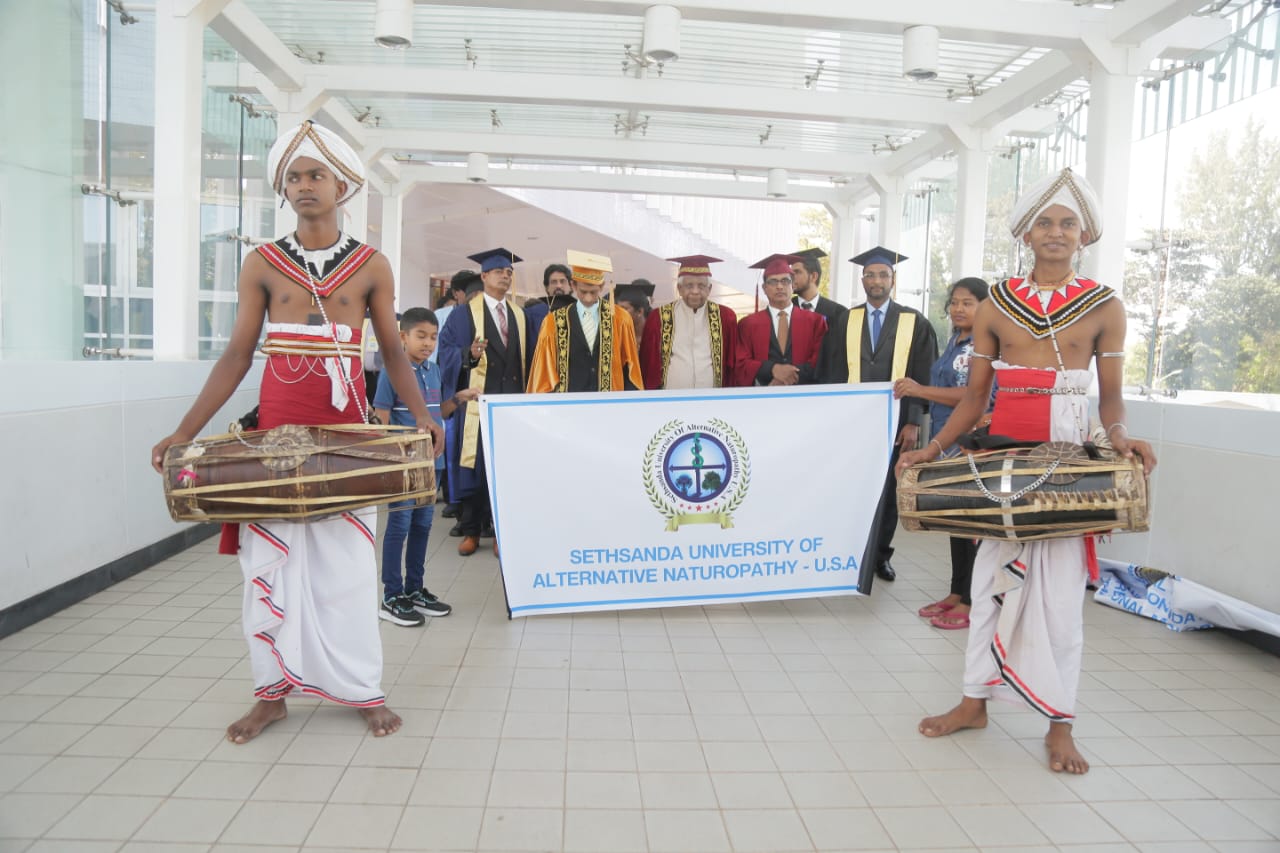
Professor S.H. Perera obtained his B.A. Special Degree in Geography from the University of Kelaniya and his LL.B degree from the Open University of Sri Lanka. He also received his M.Sc. in Geography from the University of Kelaniya and his Ph.D. in Geography from the University of Colombo.
Prof. S.H. Perera is an author, scientist, and lecturer. He has written more than 500 research articles.
International Standards: Provide and promote higher education of international standard in Alternative Naturopathy and related health sciences through structured undergraduate, postgraduate, and professional programmes.
Innovative Research: Undertake and disseminate research that contributes to the advancement of knowledge, evidence-based practice, and innovation in natural and integrative medicine.
Ethical Graduates: Develop graduates who are academically competent, ethically grounded, and socially responsible, capable of contributing to national health systems and community well-being.
Institutional Autonomy: Foster academic freedom, institutional autonomy, and a culture of critical inquiry, consistent with recognized standards of quality assurance and governance.
Global Collaboration: Promote collaboration with national and international institutions for academic exchange, research development, and capacity building in higher education.
National Development: Contribute to national development by addressing public health challenges through education, research, and community engagement activities.